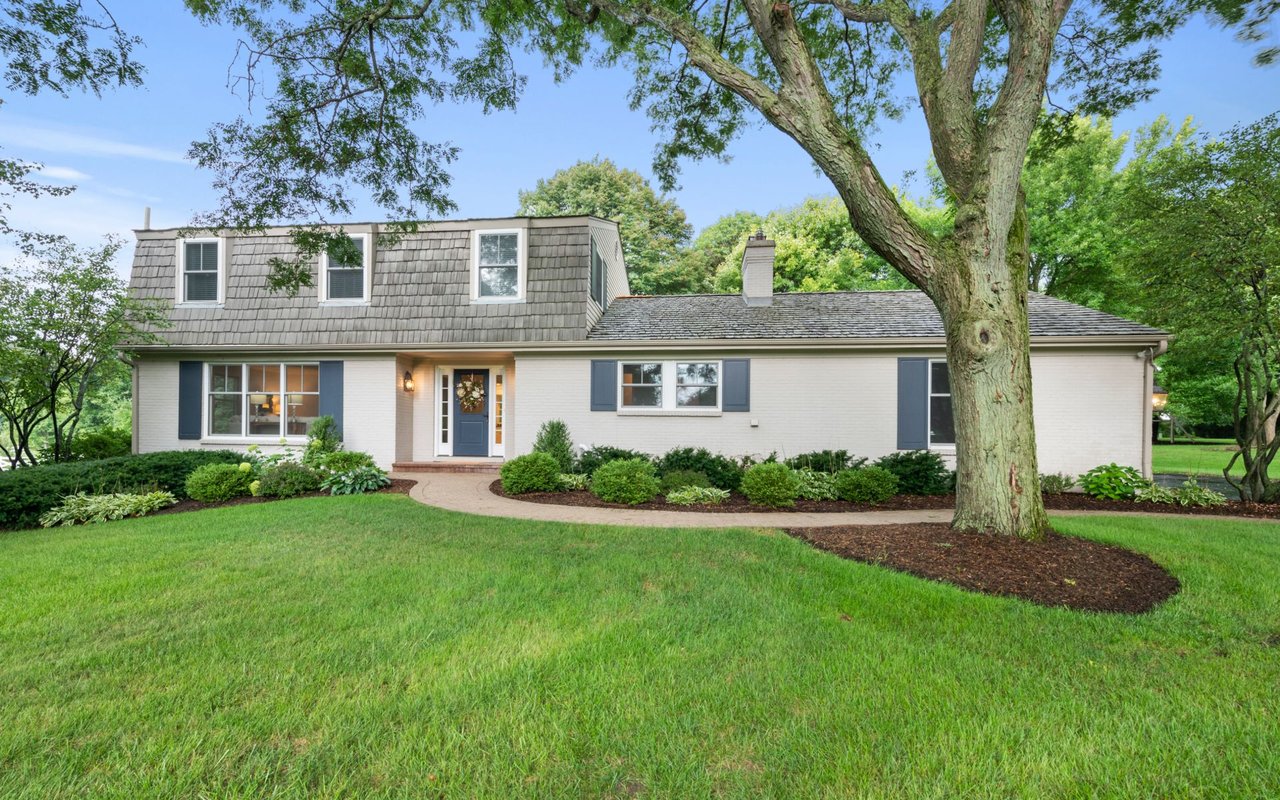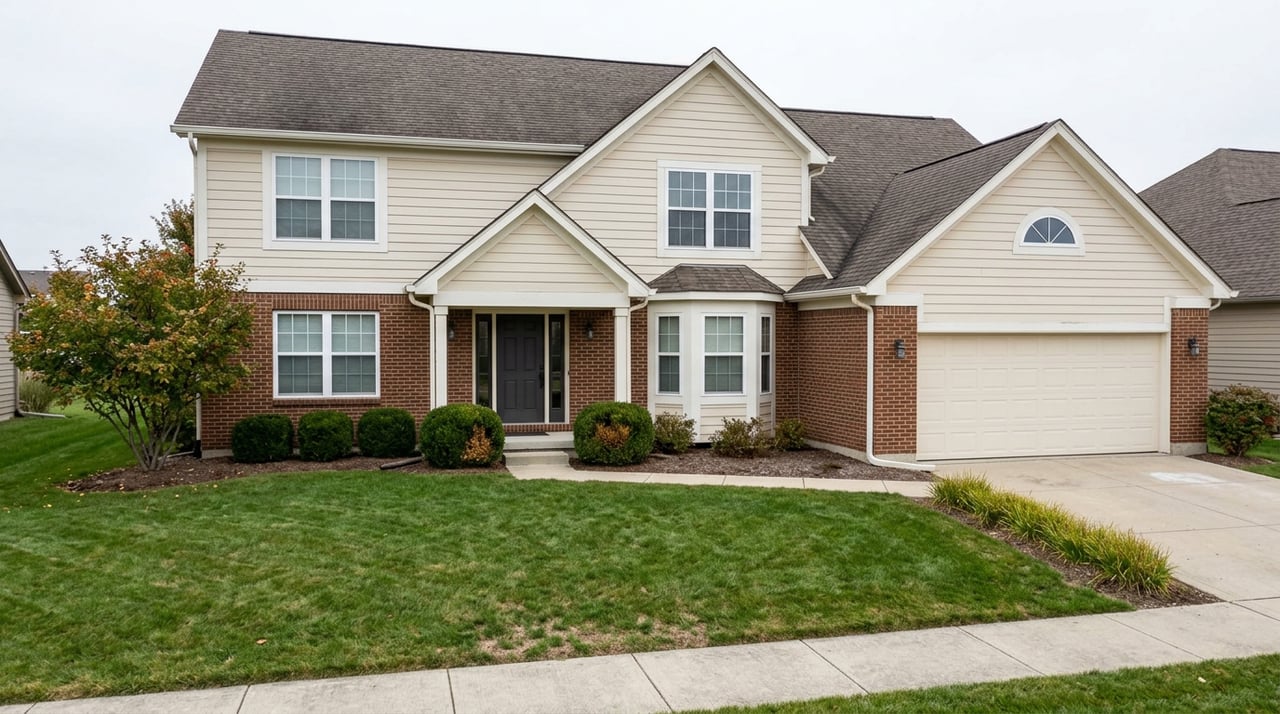
Bill Pearch stood up at an Elmhurst City Council meeting this past March and gave his street a name. He and his wife have lived on the 900 block of South Hillside Avenue for two decades, and he told the council it had become "teardown alley," a stretch that's been a working construction zone for more than 600 straight days. In the six years before he spoke, his block absorbed ten teardowns and not one addition or expansion. Back in 2006, that same block saw a single teardown paired with four remodels that kept the neighborhood's original scale intact. Somewhere in between, the math flipped.
Pearch's own house tells the second half of the story. County records show it's now assessed at $420,000, up from $360,000 in 2021. He hasn't renovated. He hasn't sold. The homes going up around him, which he says list near $1.5 million, are doing the pricing work for him whether he wants them to or not.
That's the part most people miss when they glance at Elmhurst's home values on a portal and see a number climbing. The number isn't wrong. It's measuring something different than what most buyers assume it's measuring, and the gap between those two things is worth understanding before you write an offer here.
A House That Isn't for Sale Can Still Get More Expensive
Illinois assessors set a home's value based on what comparable properties nearby are actually selling for, not on anything the owner has done to the house itself. Pearch put it plainly to the council: "We only get increased property value when we sell. We don't want to move, but we will still get increased property taxes."
That's the mechanism. When a modest brick ranch two doors down gets demolished and replaced by a home priced at four times the U.S. average, the assessor's comparable-sales pool shifts, and everyone nearby gets pulled along, whether or not they've touched a hammer. Pearch's $60,000 assessment jump between 2021 and this year happened entirely because of what his neighbors built, not what he did.
The Number That Doesn't Match the Story
Here's where it gets useful for anyone actually shopping Elmhurst right now. Three separate trackers, all reporting on roughly the same window in 2026, describe three different markets:
- Zillow's typical home value for Elmhurst stood at $505,536 as of July 2026, up just 1.4% over the past year.
- Movoto's July 2026 snapshot put the city's median sale price at $689,900, with homes moving in a median of 25 days.
- Patch reported in March 2026 that Elmhurst's average home sale price had climbed to $761,000, up from $410,000 five years earlier, a jump of roughly 86%.
Those aren't measurement errors. They're measuring different slices of the same city. The typical-value figure tracks the broad base of Elmhurst's housing stock, the original two-stories and split-levels that make up most of the town and that mostly aren't being torn down. The median and average sale prices track whatever actually closed that month, and lately what's closing includes a growing share of new-construction rebuilds priced well into seven figures. When a shrinking, pricier slice of transactions makes up a bigger share of the sample, the average climbs even if the typical, untouched home barely moves.
Put another way: the home you'd actually buy if you wanted classic Elmhurst housing stock has appreciated modestly. The home you'd see quoted in a market recap has not, because that recap is increasingly describing rebuilds, not resales.
Why a $2,416 Fee Doesn't Slow Anything Down
Elmhurst has tried to respond to this. Mayor Scott Hacker acknowledged the pressure publicly, telling reporters, "We've tried to slow it down, but it's difficult." The city's main lever has been raising demolition permit costs.
As of Elmhurst's current building permit fee schedule, last confirmed in April 2026, a residential demolition permit runs $2,416, and a new single-family home carries a flat permit fee of $10,254. Add those together and a builder pays roughly $12,670 in city fees to tear down a house and put up a new one.
Set that against the economics Pearch described: an original home valued in the low $400,000s coming down, replaced by a build listing near $1.5 million. A fee in the low five figures isn't friction against a project with that kind of spread. It's a toll, not a deterrent, which is exactly why a longtime resident asked the council to consider a housing commission instead of another fee increase. The fee schedule can be adjusted every budget cycle. The underlying land-value math is what's actually driving the block.
What This Means If You're Comparing Elmhurst to Other Western Suburbs
If you're touring Elmhurst against Glen Ellyn, Wheaton, or Lombard, the listing price alone won't tell you which of these two markets you're actually looking at. A few things worth doing before you get attached to a number:
Ask when the lots on either side of a house last changed hands, and whether either one is permitted for demolition. A quiet-looking street can turn into a two-year construction zone the way Hillside Avenue did.
Ask for the assessment history on a specific address, not just its current listing price. If nearby comparable sales have shifted toward high-end rebuilds, the assessed value, and the tax bill that comes with it, may be catching up to a market the house itself isn't part of.
If you're chasing Elmhurst's classic 1950s and 60s housing stock specifically, the data above is actually good news. That segment has appreciated far more slowly than the headline numbers suggest, which can mean real value for a move-up family who wants the square footage and the location without paying a teardown-adjacent premium. You just have to know which segment you're pricing, because the portal median won't tell you.
The activity described in city testimony centers on a corridor roughly between St. Charles Road and Park Avenue, with Hillside Avenue in the city's southwest section as the sharpest example. Rebuild pressure isn't confined to one block, though. It shows up anywhere an older, smaller-footprint home sits on a lot that's worth more empty than occupied.
A Few Questions Worth Asking Before You Make an Offer
Can a neighbor's teardown really raise my tax bill if I'm not selling? Yes. That's what happened to Pearch. Illinois assessments track nearby market activity, so when comparable homes near you sell as teardown land or reappear as million-dollar rebuilds, your own assessed value can rise even though nothing about your house changed.
Is this happening across all of Elmhurst, or just one pocket? The corridor city officials and residents have discussed publicly runs roughly from St. Charles Road to Park Avenue, but the underlying pressure, a lot worth more than the house sitting on it, isn't unique to that stretch. It's worth checking recent permit activity on any block you're seriously considering.
Will the higher demolition fee actually change the trend? Based on the mayor's own comments, the city isn't expecting it to. A fee in the thousands doesn't move the needle against a rebuild that nets well into seven figures.
If you're weighing an Elmhurst address against something in a neighboring suburb, the number on the listing sheet won't tell you which market you're actually buying into. I can pull the recent sale and permit history on a specific block before you get attached to a house, so you know whether you're pricing the original stock or the rebuild premium next to it. Call Anna today to start your move.