Wondering whether a condo or townhome in Naperville is the better fit for your budget, lifestyle, and daily routine? You are not alone. Many buyers love the idea of lower-maintenance living, but the details can feel confusing when monthly assessments, parking, commute options, and layout differences all come into play. This guide breaks down how townhome and condo living works in Naperville so you can compare your options with more confidence. Let’s dive in.
Condo vs. Townhome Basics
In Naperville, condos and townhomes often fall under some form of community association, but they do not always work the same way. Under the Illinois Condominium Property Act, condo owners are typically members of a condominium association, and a board of managers handles the overall administration of the property.
Illinois also has a separate Common Interest Community Association Act that can apply to attached or detached townhomes. In those communities, the association may govern maintenance, improvements, insurance premiums, and common-area real estate taxes through the recorded community documents.
For you as a buyer, that means attached housing is not just about the home itself. It is also about the rules, responsibilities, and shared costs that come with the community.
What Ownership Really Includes
When you buy a condo or townhome in Naperville, your monthly housing cost may include more than your mortgage, property taxes, and insurance. Association assessments can also help pay for shared maintenance and reserve funds.
The exact scope depends on the community documents. The declaration, bylaws, and rules may also affect things like rentals and certain use rights, so those documents should be part of your decision early in the process.
This is one reason attached housing works best when you look at the full picture. A lower purchase price does not always mean a lower total monthly cost, and a higher assessment may sometimes come with meaningful maintenance relief.
Naperville Price Ranges to Know
Current market snapshots show a noticeable price spread between condos and townhomes in Naperville. Redfin data from mid-May 2026 showed 26 condos for sale at a median listing price of $275,000 and 78 townhouses at a median listing price of $470,000.
For broader context, Naperville’s citywide median sale price was $539,000 in March 2026. Downtown Naperville was much higher, with a median sale price of $906,000, which shows how much location and convenience can shape pricing.
These figures are directional rather than exact side-by-side comparisons because listing medians and sale medians are different measures. Still, they paint a useful picture: condos tend to be the lower entry point, townhomes often sit in the middle, and downtown-oriented attached homes can reach the top end of the local market.
How Condos Usually Feel
Condos in current Naperville listings often appeal to buyers who want the smallest footprint and the least exterior upkeep. One-bedroom examples commonly fall around 700 to 800 square feet.
Many also include features like assigned parking, community pools, garage access, balconies, or elevator service. For a first-time buyer, that can mean a more approachable price point. For a downsizer, elevator access and reduced stair use may be especially appealing.
The main tradeoff is space and privacy. Depending on the building, you may have shared entrances, closer neighbors, and community-based parking arrangements rather than the more house-like setup some buyers want.
How Townhomes Usually Feel
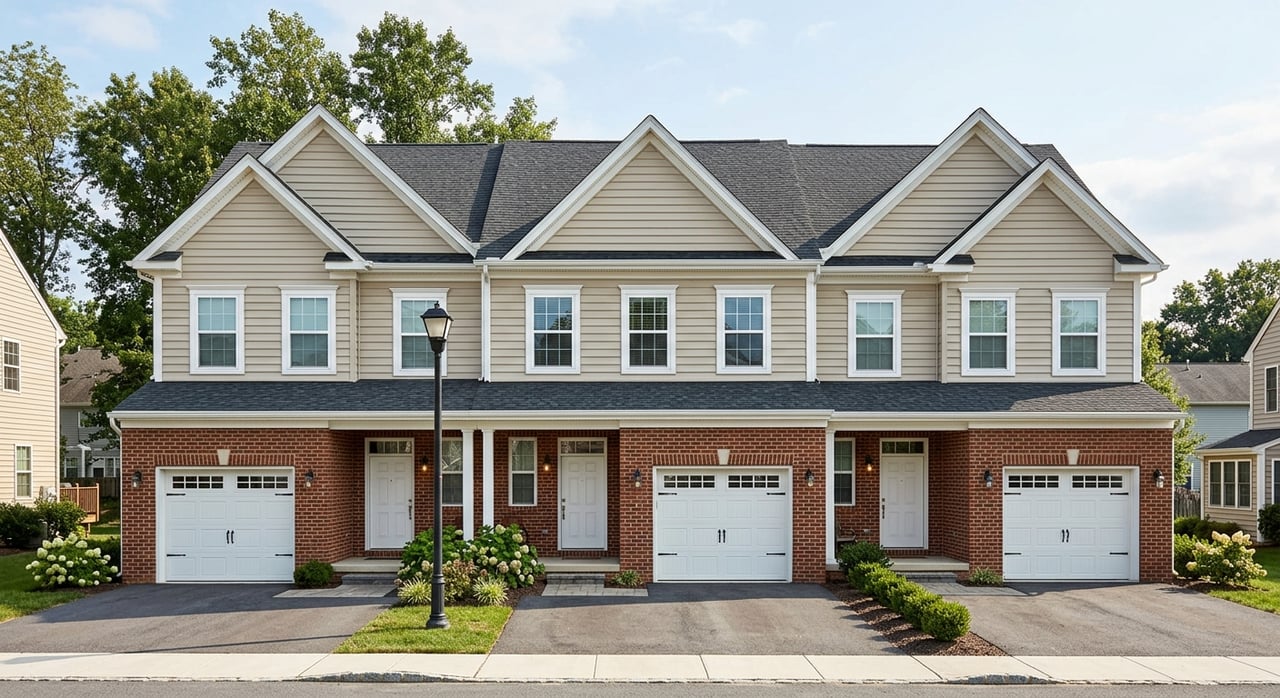
Townhomes in Naperville often offer a layout that feels closer to a single-family home while still keeping maintenance more manageable than a detached house. Current listing examples more often show two-bedroom, two-and-a-half-bath, two-story homes around 1,400 square feet.
Many include attached garages and patios, which can make day-to-day living feel more private and practical. If you want more room to spread out without taking on a full detached-home workload, a townhome may be the better fit.
That said, townhome communities can vary widely. Some associations cover more exterior responsibilities than others, so it is important to confirm exactly what the HOA handles before you make an offer.
Monthly Assessments Matter
One of the biggest questions buyers ask is simple: what does the monthly association fee actually cover? In Illinois association-governed communities, that money may fund common-area maintenance and reserves, but the exact answer depends on the governing documents for that property.
In a condo building, assessments may support building-wide upkeep and shared amenities. In a townhome community, the association may handle certain exterior items, common landscaping, insurance-related expenses, or shared spaces.
This is where a process-driven review matters. Before you move forward, you want to know not just the amount of the fee, but what you are receiving in exchange for it.
Location Changes the Value
Naperville condo and townhome living is not one single product. It is a spectrum, and location can completely change how a property lives day to day.
Downtown Naperville may offer closer access to restaurants, shops, and the Naperville Metra station. That convenience helps explain why downtown pricing can be significantly higher than the broader city market.
Other buyers may find better value or a better routine outside downtown, especially if they want easier parking access, a quieter setting, or a more suburban park-and-ride experience. The right answer depends on how you spend your time, not just the list price.
Commute and Transit Options
Naperville is served by two Metra stations on the BNSF line: the downtown Naperville station at 105 E. 4th Ave. and the Route 59 station at 1090 N. Route 59 in Aurora. The city notes that Pace buses connect the two stations through four routes, and bicycle parking is available at both.
Parking supply is one of the clearest differences. Metra station information shows 1,652 parking spaces at Naperville and 4,424 at Route 59, which can make the Route 59 area especially attractive for park-and-ride commuters.
If commuting is part of your weekly routine, this should absolutely factor into your home search. A property that looks similar on paper can feel very different depending on how easy it is to catch the train, park your car, or get around without extra hassle.
Downtown Parking Details
If you are drawn to downtown condo living, parking deserves extra attention. The city says station parking requires payment Monday through Friday from 6 a.m. to 6 p.m., while parking is free after 6 p.m. and on weekends and major holidays.
Daily fee parking is $3 per day, with weekly and monthly discounts available. Downtown residents can also use the city’s Central Business District permit program, which offers no-cost annual permits for certain downtown parking locations that are not time-restricted.
For buyers, the takeaway is simple: never assume parking. Verify whether a home includes assigned, deeded, garage, or permit-based parking, and make sure the setup fits your daily life.
Who Condos Often Fit Best
Condos are often a strong starting point if you want a lower entry price and a simpler maintenance routine. In Naperville, that can make them especially appealing for first-time buyers who want to build equity without stretching into a larger home.
They can also work well if you value amenities or a lock-and-leave lifestyle. The best fit is usually for buyers who are comfortable with a smaller footprint and want the association to handle more of the exterior workload.
If your top priorities are affordability, convenience, and less upkeep, a condo may check the right boxes.
Who Townhomes Often Fit Best
Townhomes often make sense if you want more square footage, a private entrance, or an attached garage without stepping all the way into detached-home ownership. In Naperville, they often appeal to downsizers and move-up buyers who still want a lower-maintenance setup.
This option can be especially attractive if you want more separation between living and sleeping spaces or if you simply want a home that feels more traditional. A patio or garage can also add convenience that matters in everyday life.
If you want a middle ground between condo living and a single-family house, a townhome may offer that balance.
A Smart Naperville Buying Checklist
Before you choose a condo or townhome in Naperville, make sure you compare the details that affect daily life and monthly cost.
- Review the declaration, bylaws, and rules
- Confirm what the association fee covers
- Ask about reserves and ongoing maintenance responsibilities
- Verify parking rights, including assigned, garage, deeded, or permit options
- Compare commute access to the Naperville and Route 59 Metra stations
- Consider whether stairs, elevators, or entry style fit your long-term needs
- Weigh location convenience against price differences, especially downtown
A clear checklist helps you avoid surprises and keeps the decision focused on what matters most to you.
Why Local Guidance Helps
On paper, two attached homes can look similar. In real life, one may feel like a budget-friendly first step, while the other may feel like the perfect low-upkeep move for your next chapter.
That is why local, detail-focused guidance matters. When you understand the association structure, monthly costs, commute options, and location tradeoffs, you can make a choice that supports your routine and your finances.
If you are comparing condos and townhomes in Naperville, working with someone who can help you sort through pricing, documents, and day-to-day fit can make the process feel much more manageable. When you are ready to talk through your options, connect with Annamarie Moise for warm, practical guidance tailored to your move.
FAQs
What is the difference between a condo and a townhome in Naperville?
- In Naperville, condos usually offer a smaller footprint and less exterior maintenance, while townhomes often feel more like a house with more space, a private entry, and features like attached garages or patios.
What do HOA fees usually cover for Naperville condos and townhomes?
- In Illinois association-governed communities, assessments may help fund common-area maintenance and reserves, but the exact coverage depends on the property’s declaration, bylaws, and rules.
Are condos cheaper than townhomes in Naperville?
- Current Naperville market snapshots suggest condos are usually the more affordable entry point, with mid-May 2026 median listing prices at $275,000 for condos and $470,000 for townhouses.
Is downtown Naperville worth the higher price for condo or townhome living?
- Downtown Naperville can offer added convenience to shops, dining, and transit, and March 2026 data showed a much higher median sale price there, which suggests buyers often pay a premium for that location.
Which Naperville Metra station is better for commuters buying attached housing?
- It depends on your routine, but Route 59 may be attractive if you want more parking supply, while the downtown Naperville station may appeal if you want easier access to downtown amenities.
What should I verify before buying a condo or townhome in Naperville?
- You should confirm the association rules, what the monthly fee covers, parking rights, maintenance responsibilities, and how the location supports your commute and daily lifestyle.