Is your Oak Brook home starting to feel too tight, or a bit too much to maintain? You are not alone. Many local homeowners are weighing a right-size move that better fits their next chapter. In this guide, you will get a clear view of today’s Oak Brook market, what upsizing or downsizing really looks like here, and the timing, costs, and steps to plan with confidence. Let’s dive in.
Oak Brook market snapshot
Oak Brook is a small, higher-value market where a handful of luxury sales can shift the monthly data. Recent trackers show a median sale price around $1.08M as of December 2025 and a typical home value near $923k as of January 31, 2026. Different sources use different methods, which explains the gap. The big takeaway is to focus on very recent comparable sales when pricing.
Inventory is usually limited. Think dozens of active listings, not hundreds, with months of supply often under two. That pattern supports well-priced, well-presented homes moving at a steady pace. Days on market can vary by price point, condition, and location, so smart preparation matters.
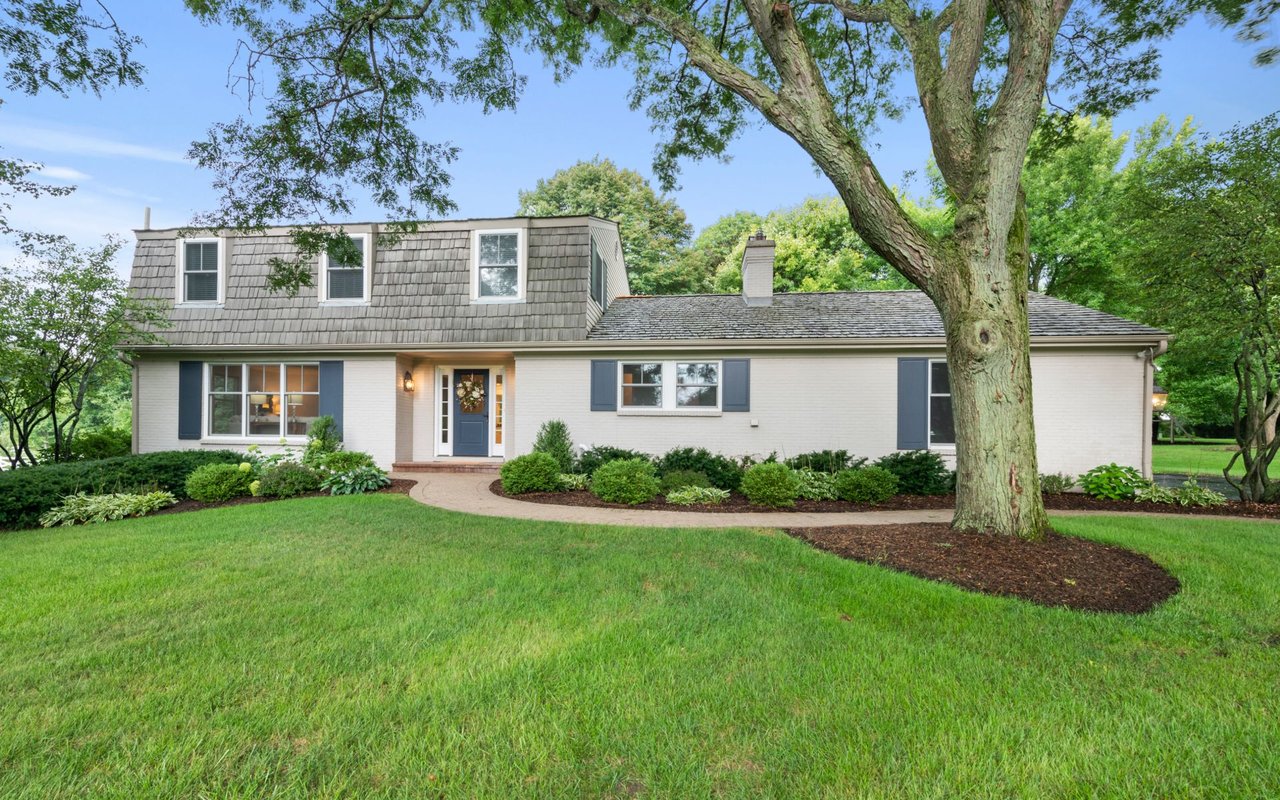
Oak Brook’s housing stock leans toward single-family homes on larger lots, including mid-century and custom builds, plus gated and luxury enclaves such as Briarwood Lakes, Trinity Lakes, and The Midwest Club. Condos and townhomes exist in smaller pockets like Oak Brook Towers and select townhouse communities.
Convenience helps drive demand. Proximity to I‑88, I‑294, and Route 83, the retail and dining at Oakbrook Center, and nearby corporate hubs keep Oak Brook attractive. Many buyers balance car commutes with Metra access in adjacent towns.
Upsizing in Oak Brook
If you want more bedrooms, yard, or flexible space, you have two common paths:
- Trade up within Oak Brook to larger 4–6+ bedroom homes. Move-in-ready estate properties are limited and can command a premium, so timing and preparation are key.
- Expand your search to nearby high-amenity suburbs like Hinsdale, Burr Ridge, or parts of Naperville. These areas often offer newer builds or larger lots across a range of price points and styles.
If school assignment matters to you, confirm boundaries by exact address. Oak Brook K–8 is often in Butler School District 53, with high school assignments varying by location. Check the district site and verify at the parcel level. You can review general information on Butler School District 53.
Tips to compete for your next home
- Get fully underwritten pre-approval before touring.
- Decide if you will sell first or buy first, and set up the financing path that supports your choice.
- Target homes that fit 80 to 90 percent of your wishlist so you can act quickly.
- If move-in-ready estates are thin, consider homes that need light cosmetic updates.
Downsizing in Oak Brook
If you want less upkeep, lower carrying costs, and more lock-and-leave freedom, Oak Brook and adjacent suburbs offer solid options:
- Local condos, townhomes, and maintenance-forward gated communities, including Briarwood Lakes and Oak Brook Towers, are popular with downsizers who want to stay close to shopping and dining.
- Look closely at HOA fees, reserve funds, and any upcoming capital projects. These line items can shape your monthly budget even if your mortgage and taxes drop.
What might you save?
A common planning rule is to set annual maintenance at roughly 1 percent of a home’s value. On a $1,000,000 property, that is about $10,000 per year. On a $500,000 right-size condo or townhome, it is about $5,000. That is a simple baseline, not a guarantee. Older or more complex homes often need more, and a condo’s HOA covers some items while adding a monthly fee. For context on this maintenance rule of thumb, see industry guidance on annual upkeep.
What will you net from a sale?
Start with an evidence-based price range using recent comparable sales. Because Oak Brook data can swing month to month, pick sales from the past 3 to 6 months that match your size, location, and condition.
- Seller costs: Plan around 7 to 10 percent of your sale price to cover brokerage commissions and standard closing costs. For a breakdown of typical items and planning ranges, review this overview of seller closing costs.
- Illinois and DuPage transfer taxes: The state portion is $0.50 per $500 of price (about 0.1 percent). DuPage County commonly adds $0.25 per $500 (about 0.05 percent). Together, that is typically around 0.15 percent, plus routine recording and title fees.
- Federal capital gains exclusion: If the home is your primary residence and you meet the ownership and use tests, you may be able to exclude up to $250,000 of gain if single, or $500,000 if married filing jointly. Confirm details in IRS Publication 523 and talk with your tax advisor, especially if you rented the home or took depreciation.
Buy first or sell first?
There is no one-size-fits-all answer. Here is a balanced view to help you decide.
Sell first
- Pros: Clear budget for the next home, no overlap in mortgages, simpler timeline.
- Cons: You may need temporary housing if the perfect next home is not available right away.
If you take this route, review a step-by-step playbook for buying and selling in sequence, like this buy-while-you-sell overview, then tailor it to Oak Brook timing.
Buy first
- Pros: Secure your next home before you list, avoid two moves.
- Cons: You may need a bridge loan, HELOC, or larger down payment, and you could carry two mortgages if your home takes longer to sell.
If you consider a bridge loan, learn how these short-term loans work and their cost structure from this consumer guide. Run a worst-case scenario. Make sure you can carry both payments for several months if needed.
Your timing roadmap
Here is a simple timeline that works well for Oak Brook sellers who want to minimize stress and maximize results.
8 to 12 weeks before listing
- Gather key documents: survey, title details, permits, warranties, and upgrade records.
- Consider a pre-listing inspection to uncover fixable issues early.
- Start decluttering and pre-packing to speed up showings and reduce moving costs.
4 to 6 weeks before listing
- Complete high-ROI refreshes: paint, flooring touch-ups, caulk and grout, landscaping polish.
- Book professional photos and a staging consult. Staging can cut time on market and raise offers. The latest NAR report found many agents saw a 1 to 10 percent lift from staging; see NAR’s staging findings.
Listing to close
- Typical sequence: list, showings, offer and inspection in about two weeks, then appraisal and underwriting to close in about 30 to 45 days for financed buyers.
- If you are buying first, have your financing squared away before you write offers.
Budget for the move itself
Local full-service moves in Illinois often run around $1,000 to $1,500 depending on crew size and time. Long-distance moves vary widely with distance and services, often from $2,000 to $10,000 or more. For a helpful national overview of moving cost factors, scan this moving cost guide. Get multiple quotes, declutter heavily, and book earlier during peak seasons.
Property taxes and ongoing costs
Effective property tax rates vary across DuPage County and by parcel. Some analyses estimate Oak Brook’s effective rate around 1.3 percent, with county averages higher. Because assessed value, exemptions, and levies differ by address, review actual bills for any home you are considering. You can explore a local snapshot of effective rates and context here: Oak Brook property tax trends.
Beyond taxes, set a realistic budget for utilities, lawn and snow care, and maintenance. The 1 percent maintenance rule is a starting point. Older systems, pools, irrigation, and large lots can increase costs.
Lifestyle and logistics to think through
- Commute and transit: Oak Brook’s highway access is excellent, while Metra access is in neighboring towns. If rail matters, test the commute from the stations you will use most.
- Schools: Verify school assignments by address, especially for high school boundaries. Many Oak Brook homes feed Butler SD 53 for K–8. Visit Butler School District 53 and confirm details with the district and listing documents.
- Everyday convenience: Restaurants, retail, and services at Oakbrook Center help make right-sizing within the village attractive, especially for downsizers.
Ready to plan your next move?
Whether you are trading up to a larger estate or easing into a low-maintenance condo, a clear plan will save time and reduce stress. Start with your goals and budget, map your timeline, and choose a buy-first or sell-first path that fits your risk comfort and cash position. Then prepare your current home to show at its best.
If you want a local, step-by-step plan tailored to your address, reach out. Annamarie Moise will help you price with confidence, stage smartly, and time your next Oak Brook move the right way. Call Anna today to start your move.
If you’re planning a move soon, here are some helpful home‑selling resources to guide your next steps.
FAQs
How do I estimate my Oak Brook home equity today?
- Start with recent comparable sales from the past 3 to 6 months that match your size, condition, and location, then subtract estimated closing costs of about 7 to 10 percent to gauge net proceeds.
Should I buy first or sell first in a low-inventory market?
- If the right home is rare, buying first can secure it, but you may need a bridge loan and a backup plan; selling first simplifies finances but may require a short-term rental.
What seller closing costs should I expect in DuPage County?
- Plan for commissions plus typical title, attorney, and recording fees, state transfer tax near 0.1 percent and county near 0.05 percent; see this closing cost overview.
How much might I save on upkeep by downsizing?
- Using the 1 percent rule, a $1,000,000 home budgets about $10,000 annually for maintenance versus about $5,000 for a $500,000 right-size home, with HOA fees offsetting some items.
How long does it take to sell in Oak Brook right now?
- Timelines vary by price, condition, and location; with limited inventory, well-priced, well-presented homes can move steadily, while luxury properties may have wider timing ranges.