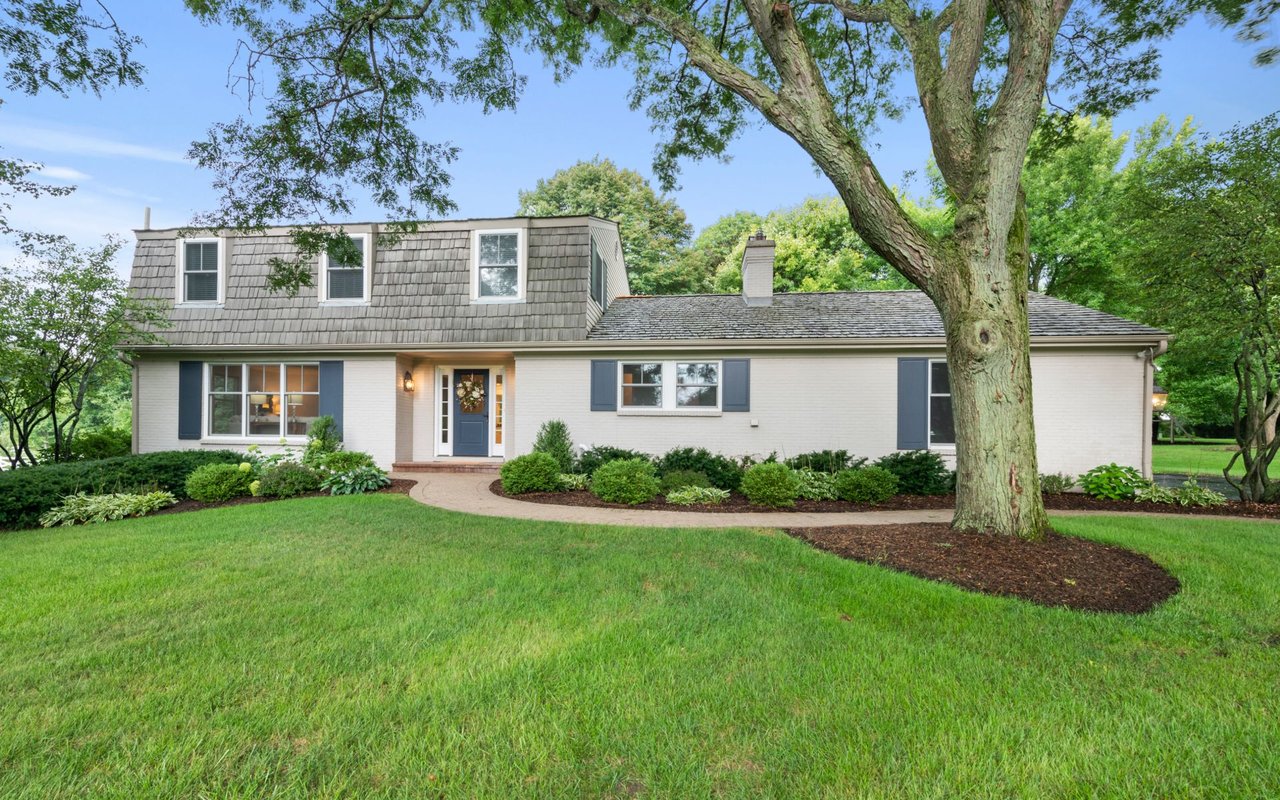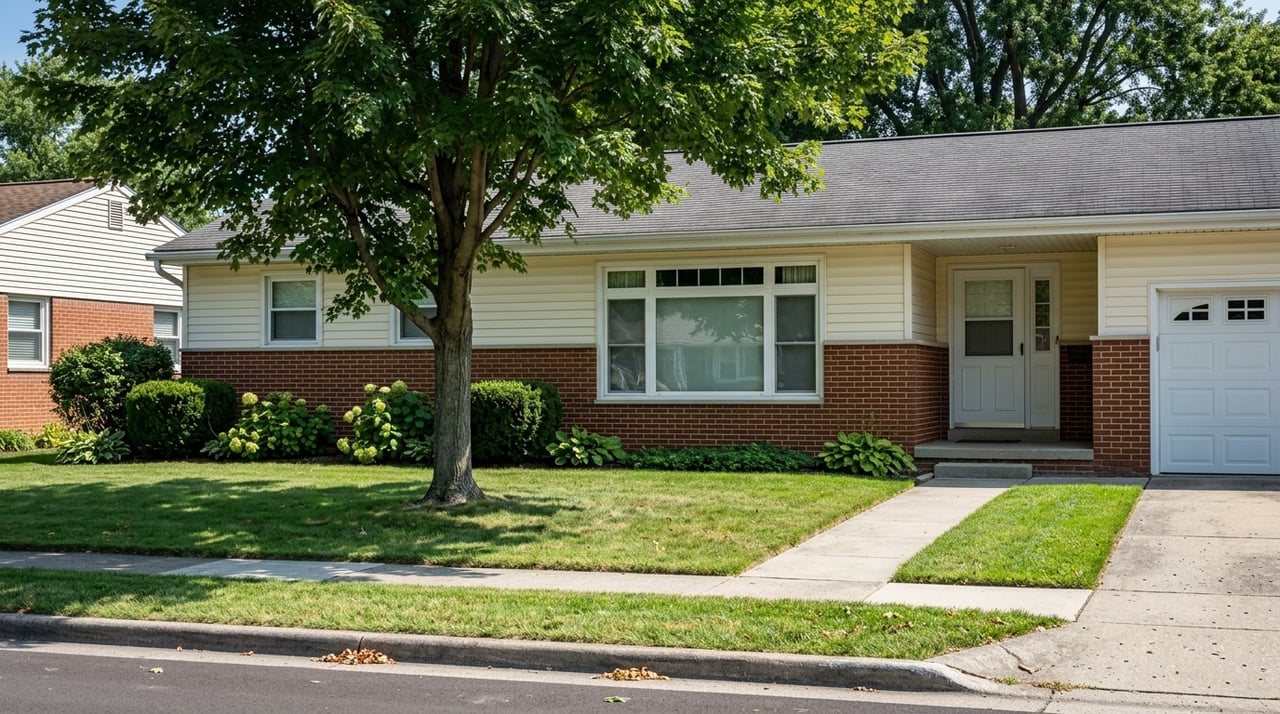
If you like the idea of a quieter home base without feeling cut off from the rest of the western suburbs, Winfield may be worth a closer look. For many buyers and sellers, the appeal of a smaller community comes down to everyday ease, familiar surroundings, and a pace that feels a little less crowded. When you understand how Winfield is set up, you can decide whether its village-scale lifestyle fits the way you want to live. Let’s dive in.
Winfield at a glance
Winfield is an incorporated village in west central DuPage County, about 28 miles west of downtown Chicago. The village covers 3.09 square miles and has an estimated 2024 population of 10,199, which is up from 9,835 in the 2020 census.
Those numbers help explain why Winfield often feels different from larger nearby suburbs. It is compact, primarily residential, and shaped more like a village community than a major suburban hub.
What smaller-community living means here
In practical terms, smaller-community living in Winfield means you are living in a place where the scale stays manageable. You are not looking at a huge suburb with many separate districts, long cross-town drives, or a nonstop commercial feel.
Winfield’s housing profile adds to that impression. The village reports that 91.9% of housing units are owner-occupied, and the median value of owner-occupied homes is $386,300. That points to a community with a strong residential base and a sense of long-term neighborhood stability.
For many buyers, that kind of setting feels more personal and easier to learn. You may find that local routines, parks, and daily errands feel more connected because the village itself is relatively compact.
A more residential daily pace
One of the clearest signs of Winfield’s smaller-community character is how much of the village experience centers on home, parks, and day-to-day convenience. It is not built around heavy retail concentration or a larger downtown footprint.
That does not mean you give up convenience. It means your daily life may feel more residential and less busy, which can be a real plus if you want a calmer environment after work or on weekends.
For buyers comparing western DuPage options, this is often the tradeoff. In Winfield, you may be choosing a quieter home setting over the broader retail density and wider housing mix you might find in a larger suburb.
Parks and outdoor space shape daily life
A big part of Winfield’s appeal is how much recreation is packed into a relatively small community setting. The Winfield Park District serves an almost five-square-mile area and identifies 19 park sites.
Amenities include a fishing pond, historical museum, veteran’s memorial, splash pad, dog park, canoe launch, baseball fields, soccer fields, basketball courts, tennis courts, pickleball courts, sand volleyball, and hiking areas. That gives you a lot of ways to spend time outdoors without needing to leave town.
Several individual parks help paint a clearer picture of local life:
- Founders Park includes baseball fields, a fitness center, playgrounds, picnic tables, and restrooms.
- Oakwood Park offers trails, fishing, volleyball, tennis, basketball, an inline hockey rink, and picnic space.
- Lions Park includes a canoe launch and fishing access.
- General Winfield Scott Park focuses on nature areas and trails.
If your ideal weekend involves low-key outdoor time, youth sports, a walk on the trails, or meeting friends at a park instead of driving all over the area, Winfield supports that kind of routine well.
Local services feel close to home
Smaller-community living works best when your everyday needs are still easy to meet. In Winfield, that convenience shows up in useful local anchors rather than oversized commercial development.
The Winfield Public Library offers story time for preschoolers, adult reading groups, a public meeting room, and interlibrary loan access. That kind of resource can become part of your regular routine, whether you are raising young children, working remotely, or just looking for community programming close by.
Northwestern Medicine Central DuPage Hospital is also located in Winfield. Having a major medical provider in the village adds an important layer of practical convenience and gives the community a strong everyday-service anchor.
Schools reflect the village scale
Winfield’s school structure also fits its smaller-community feel. Winfield School District 34 serves the center of the community and offers preschool through 8th grade.
For high school, Community High School District 94 serves Winfield, West Chicago, and Carol Stream for grades 9 through 12. For buyers who want to understand how the community is organized, this setup reinforces that Winfield functions as a compact village with its own local footprint while also connecting to the broader area.
Commuting is practical, not isolated
A smaller community does not have to mean a harder commute. Winfield offers access to Chicago’s business district through Metra’s Union Pacific West Line, and the village operates six commuter lots.
As of April 2025, the daily commuter parking rate is $2.50, with no charge on weekends and certain holidays. For many buyers, that is the kind of simple, useful detail that helps daily life run more smoothly.
Road access is also straightforward. The village notes that Interstate 55 is about 16 miles south, Interstate 90 is about 14 miles north, I-290 is easily accessible, and I-88 is about three miles south of the village.
Regional travel is also manageable, with O’Hare, Midway, and DuPage County airports within reach. The Census Bureau reports a mean travel time to work of 28.8 minutes for Winfield residents, which supports the idea of Winfield as a quieter home base with workable commuter access.
How Winfield compares with larger suburbs
If you are trying to decide whether Winfield is the right fit, it helps to compare its scale with nearby DuPage communities. Winfield’s estimated 2024 population is 10,199.
That is much smaller than Wheaton at about 53,741, Downers Grove at about 50,552, and Glen Ellyn at about 28,872. Those size differences matter because they often affect how a place feels on a daily basis.
Housing patterns also stand out. Winfield’s median owner-occupied home value is $386,300, compared with $455,700 in Wheaton, $449,800 in Downers Grove, and $544,000 in Glen Ellyn.
Its owner-occupied rate is also higher at 91.9%, compared with 71.7% in Wheaton, 75.2% in Downers Grove, and 78.3% in Glen Ellyn. Taken together, those numbers suggest Winfield can offer a quieter, more residential setting than some larger nearby suburbs.
Who may feel at home in Winfield
Winfield can make sense for buyers who want a village-scale environment with practical access to jobs, services, and recreation. If you value a place that feels more residential than commercial, this community may line up with your priorities.
It may also appeal to move-up buyers, downsizers, and first-time buyers who want western DuPage access but prefer a smaller setting. The park system, owner-oriented housing profile, and commuter options all support that kind of lifestyle.
For sellers, understanding this identity matters too. When you market a home in Winfield, you are not just selling square footage. You are also presenting a compact, stable, residential community with strong daily-life convenience.
What to consider before you move
Smaller-community living is a great fit for some households and less ideal for others. If you want a wider range of retail, more housing variety, or the busier energy of a larger suburb, you may prefer a different DuPage location.
But if your goal is a quieter setting with parks, useful local services, commuter access, and a more village-like scale, Winfield deserves a serious look. The right move comes down to how you want your daily life to feel, not just what shows up on a listing sheet.
If you are weighing Winfield against other western DuPage communities, a local, step-by-step approach can make the decision much easier. When you are ready to talk through your options, connect with Annamarie Moise for clear guidance, local insight, and a smooth plan for your next move.
FAQs
What is the population of Winfield, Illinois?
- Winfield has an estimated 2024 population of 10,199, up from 9,835 in the 2020 census.
What makes Winfield feel like a smaller community?
- Winfield covers 3.09 square miles, has a population of about 10,199, and has a 91.9% owner-occupied housing rate, all of which support a compact, primarily residential village feel.
What parks and recreation options are available in Winfield?
- The Winfield Park District identifies 19 park sites and offers amenities such as trails, sports courts, a splash pad, dog park, fishing access, a canoe launch, open space, and community classes.
How do Winfield residents commute to Chicago and nearby suburbs?
- Winfield has Metra service on the Union Pacific West Line, six commuter lots, and access to I-88, I-290, I-90, and I-55, with a reported mean travel time to work of 28.8 minutes.
How does Winfield compare to larger DuPage suburbs?
- Compared with places like Wheaton, Downers Grove, and Glen Ellyn, Winfield is smaller in population, more heavily owner-occupied, and has a lower median owner-occupied home value, which can appeal to buyers seeking a quieter residential setting.